-
10, Filton Road, Bristol, BS7 0PA
Your Cart (£0.00)
Hot Stone Massage in Bristol | Complete UK Guide
Hot Stone Massage in Bristol | Complete UK Guide
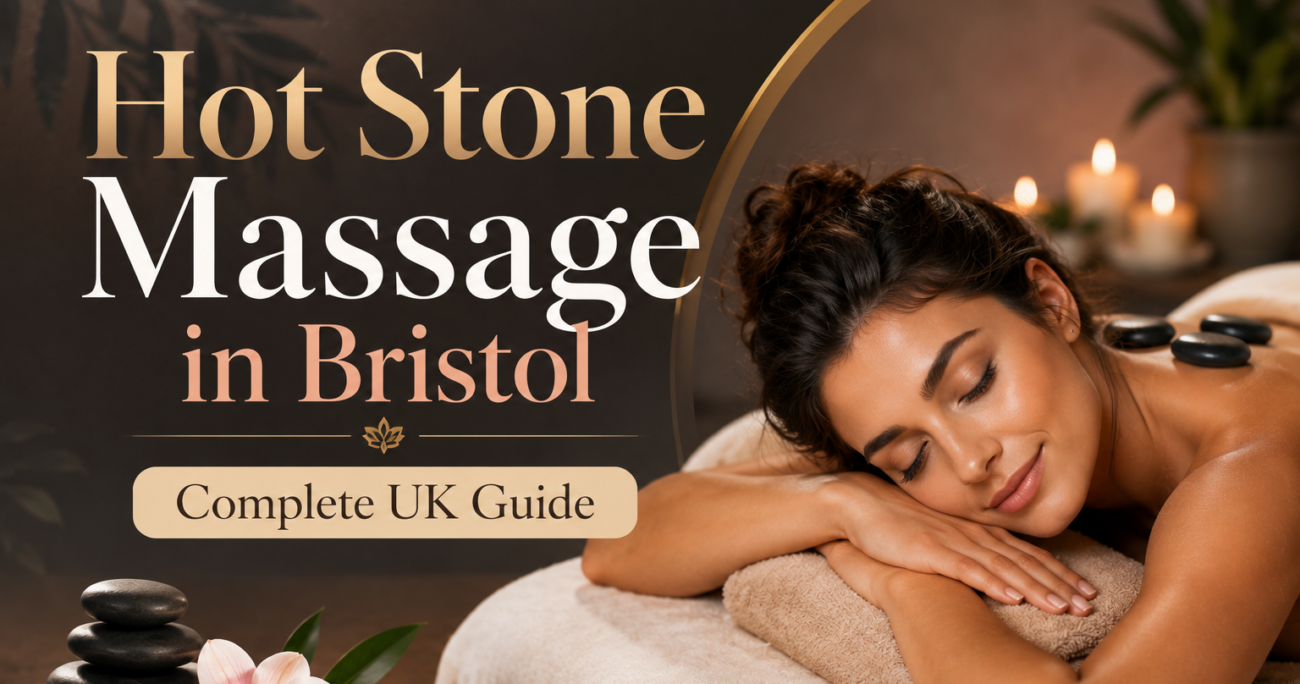
Curious what hot stone massage is? Discover how it works, its benefits, and techniques used in the UK. Book your hot stone massage at Glow Room.
Hot Stone Massage: The Complete UK Guide
If you’ve ever wondered what is hot stone massage UK clients keep booking again and again, you’re not alone. It’s one of the most requested treatments at spas and salons across the country, prized for its deeply relaxing warmth and its ability to melt away muscle tension in a way that regular massage sometimes can’t quite match.
At Glow Room in Bristol, hot stone massage is one of our signature massage services. In this guide, we’ll cover everything from the history of the treatment to how it actually works, so you know exactly what to expect before you book.
Whether you’re dealing with everyday tension from desk work, recovering from a stressful week, or simply looking for a more indulgent spa experience, hot stone massage offers something a little different from a standard massage. The combination of warmth and pressure creates a sensation many clients describe as deeply grounding, and it’s often the treatment people return to again and again once they’ve tried it for the first time.
What Is Hot Stone Massage?
Hot stone massage is a therapeutic treatment that combines traditional massage techniques with smooth, heated stones, usually basalt, placed on and used to massage the body. The heat from the stones helps warm and relax muscles more deeply than hands alone, allowing the therapist to work into tension with less pressure and greater comfort for the client.
This is essentially the simplest answer to hot stone therapy explained: it’s massage therapy enhanced by heat, using stones as both a tool for deeper muscle relaxation and a way to soothe the body from the outside in.
Unlike treatments that rely solely on scented oils or aromatherapy for their calming effect, hot stone massage uses temperature itself as part of the therapy. The warmth from the stones penetrates muscle tissue more effectively than hand pressure alone, which is part of why so many clients describe the treatment as feeling more deeply relaxing than a standard massage, even at a similar pressure level.
The History of Hot Stone Massage
The history of hot stone massage stretches back centuries, with heated stones used in various forms across different cultures for warmth-based healing practices. Native American, Chinese, and other ancient traditions are often credited with early uses of heated stones for relaxation and physical relief, long before the treatment became a mainstream spa offering.
The modern version familiar in UK spas today became popular in the 1990s, when a therapist named Mary Nelson developed a specific method combining heated basalt stones with structured massage techniques. This approach laid the foundation for the hot stone massage most people recognise now, and it has remained a popular treatment ever since thanks to its distinctively relaxing, warming effect.
What’s interesting about the treatment’s history is how consistently different cultures arrived at a similar idea independently, using naturally warmed stones from rivers or hot springs long before spas or professional training existed. This shared thread across cultures is part of why hot stone massage feels, to many people, like a genuinely ancient form of healing rather than a modern spa trend, even though today’s techniques have been refined considerably.
How Hot Stone Massage Works
Understanding how hot stone massage works starts with the stones themselves. Basalt stones are chosen because they retain heat exceptionally well and have a naturally smooth surface, making them comfortable against the skin. Before your treatment, the stones are heated in water to a controlled, therapeutic temperature.
During the massage, your therapist places stones at key points on the body, such as along the spine, in the palms of the hands, or between the toes, while also using heated stones directly to massage larger muscle groups. The heat helps blood vessels dilate, improving circulation and allowing muscles to relax more quickly than they might during a standard massage.
Temperature control is one of the most important parts of the process. Stones are typically kept in water heated to a consistent, therapeutic range, warm enough to provide a noticeable soothing effect, but never so hot that it risks discomfort or skin irritation. Your therapist will regularly check stone temperature throughout the session and adjust as needed, so the experience stays comfortable and safe from start to finish.
Benefits of Hot Stone Massage
There’s a reason so many people search for the benefits of hot stone massage before booking. Commonly reported benefits include:
- Deeper muscle relaxation – heat helps loosen tight, tense muscles more effectively
- Improved circulation – warmth encourages blood flow throughout the body
- Stress and anxiety relief – the combination of warmth and touch promotes deep relaxation
- Reduced muscle and joint pain – particularly helpful for chronic tension or stiffness
- Better sleep quality – many clients report improved sleep after a session
- Enhanced sense of wellbeing – the treatment is as much about mental relaxation as physical relief
While results vary from person to person, these are the benefits our clients at Glow Room mention most often after a hot stone massage session. For many people, the appeal isn’t just physical relief but the overall experience, the warmth of the stones combined with a quiet, calming environment often leaves clients feeling reset in a way that’s hard to achieve through rest alone.
Hot Stone Massage Techniques Used in the UK
Therapists across the UK generally combine a few core hot stone massage techniques, including:
- Placement technique – stones are left in position on the body to provide steady, passive heat
- Gliding technique – stones are used directly by the therapist to massage muscles, gliding along the body in smooth strokes
- Pressure point technique – smaller stones are used to apply focused pressure to specific tension points
- Combination technique – most sessions blend all of the above, using hands and stones together throughout the treatment with hot stone massage.
At Glow Room, your therapist will adapt these techniques based on your pressure preference, problem areas, and overall comfort throughout the session.
Types of Hot Stone Massage
There are a few recognized types of hot stone massage, including:
Full Body Hot Stone Massage
The most popular option, covering the back, legs, arms, and often the scalp and face, for full-body relaxation.
Back-Focused Hot Stone Massage
Concentrated on the back, shoulders, and neck, ideal for clients dealing with tension from desk work or poor posture.
Hot Stone Massage with Aromatherapy
Combines heated stones with essential oils for an enhanced sensory and relaxation experience.
Hot Stone Massage vs Regular Massage
A common question is hot stone massage vs regular massage, and how to choose between them. Regular massage relies purely on hand pressure and technique to relax muscles, while hot stone massage adds heat into the equation, which can help muscles release tension more quickly and with less intense pressure.
Hot stone massage tends to suit clients who carry a lot of tension, feel the cold easily, or simply want an especially soothing, warming experience. Regular massage, on the other hand, may be preferred by clients who want firmer, more targeted pressure without the added warmth, or those who are sensitive to heat.
Some clients also choose to alternate between the two depending on the season or how they’re feeling, opting for hot stone massage during colder months when the added warmth feels especially welcome, and switching to a firmer regular massage when they want more direct, targeted work on specific problem areas.
What to Expect During Your Hot Stone Massage at Glow Room
Consultation
Before your treatment(Hot Stone Massage), we’ll discuss any areas of tension, medical considerations, and your general comfort with heat and pressure.
Treatment
You’ll be made comfortable on a treatment bed while heated stones are used across the body, combining placement and gliding techniques tailored to your needs.
Aftercare
You may feel deeply relaxed, and sometimes slightly sleepy, after your session, so it’s worth allowing time to rest afterwards rather than rushing straight into a busy schedule.
Who Should Avoid Hot Stone Massage?
Hot stone massage isn’t suitable for everyone. It’s generally not recommended for clients who are pregnant (without specialist adaptation), have certain skin conditions, diabetes, high blood pressure, or a history of blood clots, as heat can affect these conditions differently. Always mention any medical conditions during your consultation so your therapist can recommend the safest, most suitable treatment for you.
If you’re recovering from a recent injury, surgery, or you have particularly sensitive skin, it’s also worth flagging this beforehand. In many cases, your therapist can still adapt the treatment, for example by using lower stone temperatures or avoiding certain areas of the body, so you can still enjoy the benefits of the treatment safely.
Hot Stone Massage FAQ
What is hot stone massage? Hot stone massage is a massage technique that uses heated, smooth stones alongside traditional massage strokes to relax muscles more deeply and promote overall wellbeing.
Does hot stone massage hurt? No, it shouldn’t hurt. Most clients find it more relaxing than regular massage, since the heat helps muscles release tension with less need for firm pressure.
How long does a hot stone massage session last? Most sessions last between 60 and 90 minutes, depending on whether it’s a full body or targeted treatment.
Is hot stone massage good for back pain? Many clients find it helpful for easing tension-related back pain, though it isn’t a substitute for medical treatment if you have an underlying condition.
How often should I get a hot stone massage? This depends on your individual needs, but many clients book every 4 to 6 weeks to maintain ongoing relaxation and muscle relief.
Can I request less pressure during my session? Yes, always let your therapist know your pressure preference at the start of your session so the treatment can be adjusted for your comfort.
Will I feel the stones as very hot? The stones are heated to a comfortable, therapeutic temperature rather than an intense heat, so most clients describe the sensation as warm and soothing rather than uncomfortably hot.
Is hot stone massage better than a regular massage? Neither is objectively better, it depends on personal preference. Hot stone massage suits those who enjoy warmth and want muscles to release tension with less firm pressure, while regular massage may suit those who prefer targeted, firmer techniques without added heat.
Hot Stone Massage Guide: Final Thoughts
This hot stone massage guide UK overview covers everything from its ancient roots to the modern techniques used in spas today. Whether you’re new to massage therapy or a long-time fan looking for something more deeply relaxing, hot stone massage offers a unique combination of warmth, pressure, and calm that’s hard to replicate with any other treatment.
Ready to unwind? Book a hot stone massage with Glow Room in Bristol today and experience deep relaxation from the inside out.
