-
10, Filton Road, Bristol, BS7 0PA

Your Cart (£0.00)
Does Waxing Cause Ingrown Hairs? What to Know
Does Waxing Cause Ingrown Hairs? What to Know
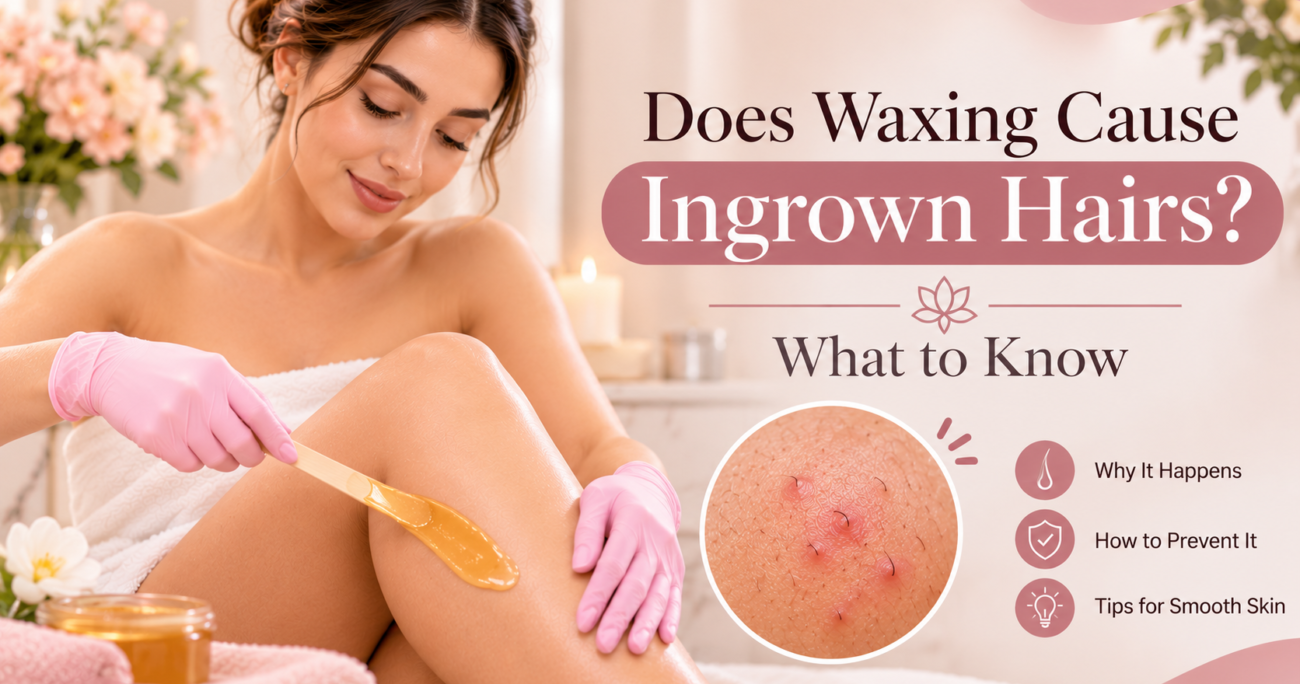
It is one of the most common worries before a first wax: will it give me ingrown hairs? The short answer is that waxing can contribute to them for some people, but it is far from inevitable, and a few simple habits make a real difference. This guide explains why ingrown hairs happen, whether waxing makes them more or less likely than other methods, and what you can do before and after your appointment at Glow Room in Bristol to keep skin comfortable and smooth.
The Short Answer
Waxing can lead to ingrown hairs in some people, particularly if skin is dry, dead skin builds up or tight clothing rubs the area afterwards. But waxing is not the only cause, and many people find they have fewer problems once they settle into a routine of gentle exfoliation and moisturising. Shaving, which cuts hair at the surface and leaves a sharp tip, is also well known for causing them. How your hair grows, how your skin behaves and how you look after the area afterwards all play a part.
What Is an Ingrown Hair?
An ingrown hair is one that curls back into the skin or grows sideways beneath the surface instead of rising out of the follicle. The skin can react with a small red bump, sometimes with a little tenderness or a visible hair trapped underneath. They are most common where hair is coarse or curly and where skin is rubbed, such as the bikini area, underarms and legs. They are usually minor, but they can be irritating, and they are a very common reason people give up on hair removal.
Why Can Waxing Contribute to Them?
- Hair regrows from the root. After waxing, new hair has to push through the skin surface again. If dead skin is blocking the way, the tip can turn back in.
- Fine, new hairs are weaker. Regrowth after waxing can be softer and finer, which can sometimes struggle to break through.
- Dry or flaky skin. A build-up of dry surface cells makes it harder for hair to emerge.
- Friction. Tight clothing and sweat in the hours after waxing can irritate open follicles.
- Picking and plucking. Digging at a hair can cause inflammation and make things worse.
Is Waxing Better or Worse Than Shaving?
Many people find waxing leads to fewer ingrown hairs over time than shaving, because shaving leaves a blunt, sharp-edged tip that can pierce the skin as it regrows. Waxing removes hair from the root, so regrowth is typically softer and finer. That said, results vary by person, and the most important factor is aftercare. If you are curious about the switch, our article on skipping the razor with a full body wax explains what to expect.
Before Your Wax: How to Prepare
- Let hair grow to about a quarter of an inch. Hair that is too short is hard for wax to grip, which can mean breakage rather than removal.
- Exfoliate gently a day or two beforehand. A soft scrub or exfoliating mitt helps clear dead skin so hair can come away cleanly.
- Keep skin clean and product-free. Avoid heavy creams and oils on the day.
- Avoid sunburn and strong actives. If you use retinol, acids or acne treatments on the area, tell your therapist.
- Wear loose clothing to your appointment. Soft cotton helps skin stay calm afterwards.
After Your Wax: Aftercare That Helps
- Avoid heat and friction for 24 hours. That means no saunas, hot baths, tight leggings or hard workouts straight away.
- Keep the area clean. Gentle, fragrance-free cleansers suit freshly waxed skin best.
- Do not pick or squeeze. Leave any bump alone, as picking can lead to irritation and marks.
- Moisturise daily. Soft skin makes it easier for hairs to surface.
- Start exfoliating again after a couple of days. Gentle exfoliation once or twice a week helps keep the surface clear.
- Protect from the sun. Newly waxed skin can be more sensitive.
Our step-by-step guide to how to prevent ingrown hairs after a bikini wax goes into more detail, and the same principles apply to other areas.
Which Areas Are Most Prone?
Bikini area
Hair here is usually coarser and the area is subject to friction from clothing, so it can be more prone. Our bikini line wax is £50 at the time of writing and takes around 20 to 30 minutes. Read our guide to bikini line waxing for what to expect.
Underarms
Sweat and friction can make underarms sensitive. Our underarm waxing page explains the treatment, and our underarm wax, scrub and mask guide offers aftercare ideas.
Legs
Legs are a larger area with more varied hair, so ingrown hairs can appear in patches. See our full legs waxing page and our full legs wax winter guide.
Arms and body
Fine hair here tends to cause fewer problems, but good aftercare still helps. Our full arms wax guide has more.
Can a Skin Treatment Help?
If your bikini area is prone to bumps, some clients pair waxing with a skin treatment. Our Vajacial and Bikini Skin Treatment is £50 for around 45 minutes at the time of writing. It focuses on cleansing and caring for the skin in the area, and our vajacial and bikini skincare guide explains what happens. For a comparison with waxing, read vajacial vs bikini wax. A treatment like this is designed to support skin comfort and is not a medical solution, so please see your doctor if you are worried about your skin.
What to Do If You Get an Ingrown Hair
- Leave it alone. Do not squeeze, dig or pluck, as that can cause irritation.
- Keep the area clean and moisturised.
- Use gentle exfoliation to help the surface stay clear.
- Wear loose, breathable clothing.
- Give it time. Many settle by themselves in a few days.
If a bump becomes painful, swollen, hot, starts to leak or does not improve, please speak to your doctor or pharmacist. We cannot diagnose skin conditions, and some need medical attention.
Tips for People Who Are Prone
If you have noticed that you get ingrown hairs often, it helps to tell your therapist at your consultation. They can adjust the way they work and give advice that suits your skin. Keeping a regular waxing schedule can also help, because skin and hair settle into a pattern. Avoid switching between shaving, plucking and waxing, which can disrupt that rhythm and leave you with hairs at different stages of growth.
How Often Should You Wax?
Hair grows at different rates for everyone. Many people return every few weeks, once enough hair has grown back to be removed. Your therapist can suggest a sensible interval after seeing how your hair grows. Try not to wax too soon, because short hair is harder to remove cleanly. You can see our full range on the waxing services page.
What to Expect at Glow Room
Every waxing appointment starts with a short conversation about your skin and any concerns, including ingrown hairs. Your therapist explains each step, works at a comfortable pace and finishes with aftercare advice so you know how to look after your skin at home. Our full body wax is £50 for around 90 minutes at the time of writing, and our full body waxing page lists what is included. Prices can change, so please check the service pages before booking.
Common Questions Before Booking
Can I exfoliate straight after waxing?
It is best to wait a couple of days, because freshly waxed skin is sensitive. After that, gentle exfoliation once or twice a week is usually enough.
Do ingrown hairs mean waxing is not right for me?
Not necessarily. Many people improve their routine and find the problem reduces. If it persists, talk to your therapist or your doctor.
Does waxing more often prevent them?
Consistency can help, but waxing too frequently is not advisable. Wait until hair has regrown enough to be removed properly.
Can I wax if I already have ingrown hairs?
Tell your therapist. They will assess the area and may recommend waiting until any irritation settles.
Frequently Asked Questions
Does waxing cause ingrown hairs?
It can for some people, especially without good aftercare, but it is not guaranteed. Exfoliating, moisturising and avoiding friction all help.
Is waxing or shaving better for ingrown hairs?
Many people find waxing causes fewer over time, but results vary.
How can I stop ingrown hairs after waxing?
Avoid heat and friction for 24 hours, keep skin clean, moisturise, do not pick and exfoliate gently after a couple of days.
Where is Glow Room?
At 10 Filton Road, Horfield, Bristol BS7 0PA. We are open from 11:00 AM to 8:00 PM, Monday to Sunday.
Myths About Waxing and Ingrown Hairs
- Myth: waxing always causes them. Many people wax regularly with few or no problems, especially with a good aftercare routine.
- Myth: scrubbing hard prevents them. Aggressive scrubbing can irritate skin and make bumps more likely. Gentle and regular is better.
- Myth: you should dig the hair out. Picking at skin can cause inflammation and marks. It is safer to leave it alone.
- Myth: oily products always help. Heavy products can sit on the skin and trap dead cells. Choose light, non-greasy moisturisers.
- Myth: it is a sign of poor hygiene. Ingrown hairs are common and mostly relate to hair type, skin and friction.
Does Hair Type Matter?
Yes. Coarse and curly hair is more likely to bend back into the skin as it regrows, which is why some people are more prone than others no matter which method they use. Fine, straight hair tends to cause fewer problems. If your hair is curly or coarse, regular gentle exfoliation and loose clothing after waxing become even more important, and it is worth telling your therapist so they can tailor their advice to your skin.
When to Speak to a Professional
Most ingrown hairs are minor and settle with simple care. If you get them repeatedly, if bumps leave dark marks, or if an area becomes painful, swollen or looks infected, speak to your doctor or pharmacist rather than treating it yourself. Your waxing therapist can adjust their approach, but they cannot diagnose or treat a skin condition.
Why Choose Glow Room?
At Glow Room, we want waxing to feel comfortable and straightforward. Our therapists take time to understand your skin, explain what to do before and after, and answer questions honestly. If you are nervous about ingrown hairs, tell us at your appointment and we will talk through a plan that suits you. Special appointments outside our usual hours may be available on request.
Related Reading
- Read how to prevent ingrown hairs after a bikini wax.
- See our guide to bikini waxing in Bristol.
- Browse all waxing services.
- Explore treatment packages.
Book Your Wax Today
Ready for smooth skin with a plan to keep it that way? Book your appointment at Glow Room via glowroom.uk, or call our team on +44 7597 732017 if you have any questions first.